

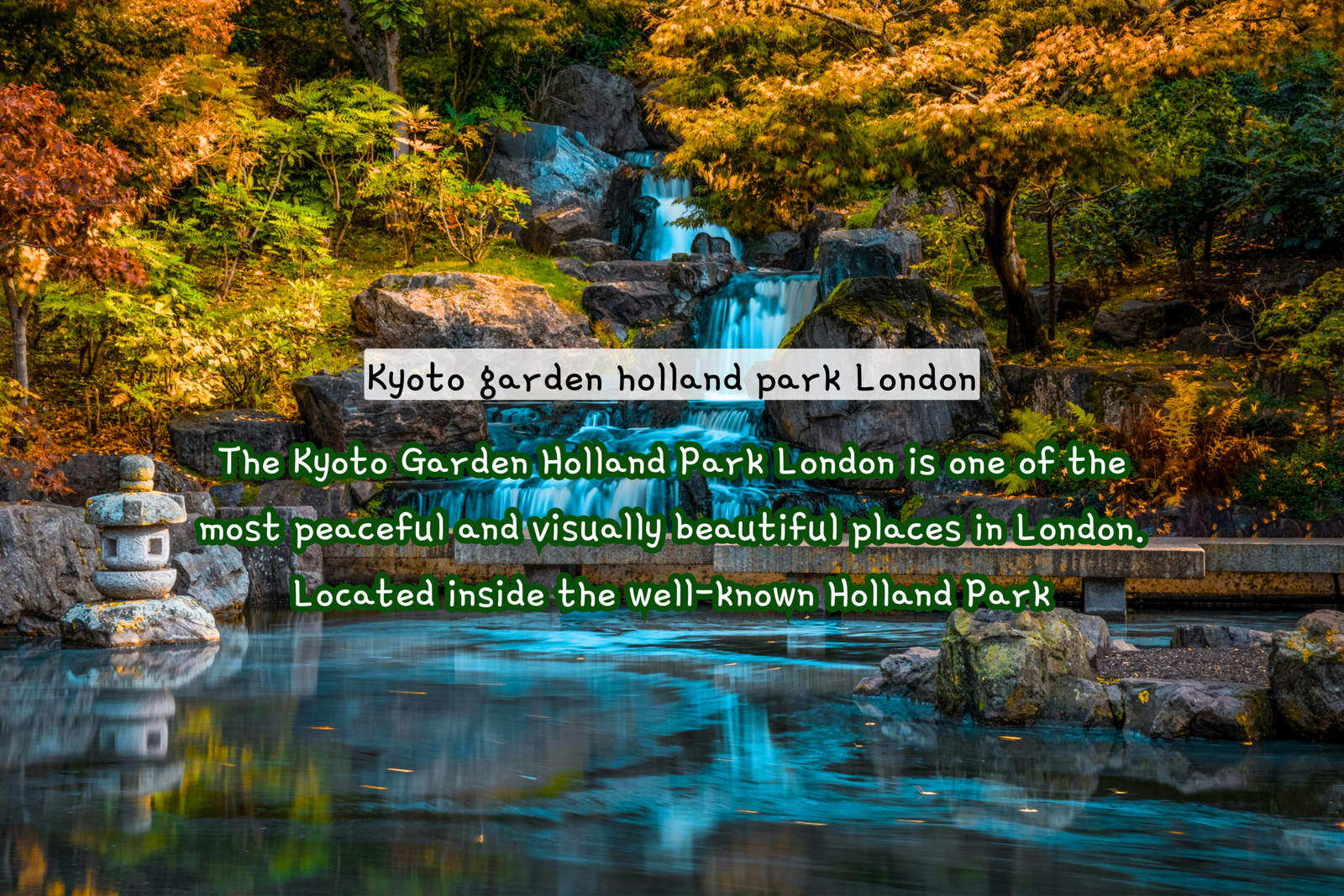
The Kyoto Garden Holland Park London is one of the most peaceful and visually beautiful places in London. Located inside the well-known Holland Park, the Kyoto Garden Holland Park London offers a calm escape from the busy rhythm of city life. It is designed in a traditional Japanese style that focuses on balance, simplicity, and harmony with nature. Unlike typical urban parks filled with noise and activity, this space feels quiet, reflective, and deeply connected to natural beauty. Many visitors describe it as a hidden sanctuary where time seems to slow down and stress naturally fades away.
Many people consider the Kyoto Garden Holland Park London a hidden gem because it feels completely different from the surrounding city environment. While London is known for its fast pace, busy streets, and modern architecture, this garden creates a soft contrast that immediately brings calmness to visitors. The sound of flowing water, the presence of trees, and the carefully arranged landscape all contribute to a peaceful atmosphere that is rare in a major city. People from all over the world visit this space not only for sightseeing but also to relax, reflect, and reconnect with nature in a meaningful way.
A Cultural Gift From Japan
The history of the Kyoto Garden Holland Park London dates back to 1991, when it was created as a gift from Japan to the United Kingdom. The Kyoto Garden Holland Park London Chamber of Commerce built it as a symbol of friendship between the two nations, representing respect, cultural exchange, and mutual appreciation. Since its opening, the Kyoto Garden Holland Park London has become an important cultural landmark that continues to attract thousands of visitors every year.
Japanese designers carefully developed the garden using traditional landscaping methods that have been practiced for centuries. Every stone, plant, and water feature was placed with deep intention to reflect harmony with nature. The design was not random but thoughtfully arranged to create a sense of balance, peace, and natural flow. This thoughtful construction is one of the reasons why the garden still feels authentic and spiritually calming even today.
Traditional Japanese Garden Design
The design of the garden follows classic Japanese principles that emphasize simplicity, natural beauty, and emotional balance. Unlike modern recreational parks, the Kyoto Garden Holland Park London is not meant for entertainment or activity but for peace, reflection, and mindfulness. Every element inside the garden is carefully placed to create a natural rhythm that guides visitors gently through the space.
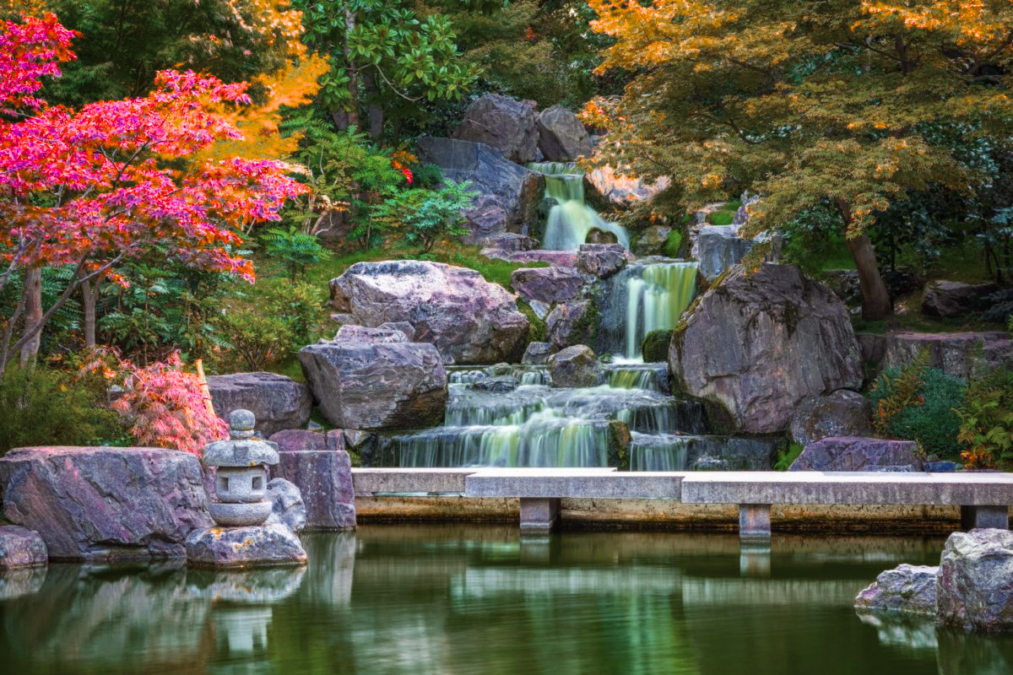
A gentle waterfall flows into a calm pond, producing a soft sound that enhances relaxation and mental clarity. Large stones are placed to represent mountains, while smaller stones symbolize islands surrounded by water. This symbolic arrangement reflects ancient Japanese garden traditions that focus on storytelling through nature. Walking paths made of natural stone encourage visitors to slow down, observe details, and experience the environment in a mindful way rather than rushing through it.
| Feature | Details |
|---|---|
| Name | Kyoto Garden |
| Location | Holland Park, London |
| Type | Japanese-style garden |
| Opened | 1991 |
| Origin | Gift from Kyoto, Japan |
| Entry Fee | Free |
| Main Features | Waterfall, koi fish, stones, maple trees |
| Best For | Relaxation, photography, nature walks |
| Atmosphere | Calm, peaceful, Zen-style garden |
The Pond and Koi Fish
At the center of the garden lies a beautifully designed pond filled with koi fish, which are deeply symbolic in Japanese culture. These fish represent strength, determination, and good fortune, making them an important part of the garden’s meaning and identity. Visitors often gather quietly around the pond, watching the koi move slowly beneath the water surface in a calming and almost hypnotic rhythm.
The reflections of trees, sky, and stones on the water create a mirror-like effect that enhances the peaceful atmosphere. This area is one of the most photographed sections of the garden, especially during early morning and sunset hours when the lighting is soft and golden. The combination of water, movement, and reflection creates a naturally meditative experience for anyone who spends time here.
Wildlife and Natural Environment
The garden is not only a carefully designed landscape but also a living ecosystem where wildlife plays an important role. One of the most famous sights in Holland Park is the presence of roaming peacocks, which sometimes wander near the garden area. Their elegant appearance adds a sense of beauty and surprise to the surroundings, making the environment feel even more magical.
In addition to peacocks, birds, squirrels, and other small creatures are commonly seen throughout the park. These animals naturally interact with the environment, creating a balance between human design and nature. This harmony between wildlife and landscape makes the space feel alive, dynamic, and constantly changing while still maintaining its peaceful identity.
Seasonal Changes and Natural Beauty
One of the most fascinating aspects of the garden is how it transforms throughout the year. Each season brings a different mood, color palette, and emotional experience to the space. In spring, cherry blossoms bloom and soft pink petals cover parts of the garden, creating a romantic and refreshing atmosphere. During summer, the greenery becomes dense and vibrant, while the flowing water feels more energetic and lively.
Autumn brings a dramatic transformation, as leaves turn shades of red, orange, and gold, giving the garden a warm and artistic appearance. In winter, the space becomes quieter and more minimal, highlighting the structure of stones, trees, and pathways. These seasonal changes ensure that every visit feels unique, even for returning visitors who have experienced the garden before.
Visitor Experience and Atmosphere
Walking through the garden feels like stepping into a completely different world, even though it is located in the heart of London. The atmosphere is calm and deeply peaceful, with natural sounds replacing the usual noise of traffic and city life. The sound of flowing water, rustling leaves, and birds creates a soothing environment that encourages relaxation and mental clarity.
Visitors often describe the experience as emotionally refreshing, as it provides a rare opportunity to slow down and simply observe nature. Benches placed throughout the garden allow people to sit quietly, reflect, or enjoy the view. Some visitors come alone for personal reflection, while others visit with friends or family to enjoy a peaceful walk together.
Cultural Meaning and Symbolism
The garden is deeply inspired by Zen philosophy, which emphasizes simplicity, balance, and harmony with nature. Every element inside the garden carries symbolic meaning that contributes to its overall message. Water represents life and continuous flow, stones represent stability and strength, trees symbolize growth and change, and fish represent perseverance and endurance.
These symbolic meanings transform the garden into more than just a visual attraction. It becomes a space for thought, reflection, and emotional balance. Visitors often leave the garden feeling calmer and more centered than when they arrived, which is part of its lasting appeal.
Access and Facilities
The garden is open to the public and free to visit throughout the year. Located within Holland Park, it is easily accessible and well-connected to surrounding areas of Kensington. The park offers additional facilities such as cafés, restrooms, picnic areas, and walking trails, making it suitable for a full-day visit.
Early mornings and weekdays are generally the best times to visit for those who prefer a quieter and more personal experience. During these times, the garden feels especially peaceful and allows visitors to fully appreciate its calm environment without large crowds.
Photography and Visual Appeal
The garden is one of the most photographed locations in London due to its natural beauty and carefully balanced design. Photographers are especially drawn to the reflections on the water, seasonal colors, and peaceful scenery. The golden hour, just after sunrise or before sunset, provides ideal lighting conditions for capturing stunning images.
The garden is also occasionally used for professional photography sessions, including weddings and artistic shoots, because of its romantic and serene atmosphere. Every corner of the space offers a unique visual composition, making it a favorite destination for creative work.
Final Thoughts
The Kyoto Garden Holland Park London remains one of the most peaceful and culturally meaningful spaces in London. It brings together Japanese design, natural beauty, and historical significance into one harmonious environment. Visitors come here not only to see a garden but to experience a sense of calm that is rare in modern urban life.
Whether you are visiting for relaxation, photography, or simple curiosity, the garden offers something deeply meaningful. It reminds every visitor that true beauty often lies in simplicity, silence, and the natural connection between people and the environment.
FAQs
Q: What is Kyoto Garden Holland Park London?
A: Kyoto Garden Holland Park London is a Japanese-style garden in London designed for peace, nature, and relaxation inside Holland Park.
Q: Is Kyoto Garden Holland Park London free to visit?
A: Yes, Kyoto Garden Holland Park London is free to enter for all visitors throughout the year.
Q: When was Kyoto Garden Holland Park London created?
A: Kyoto Garden Holland Park London was opened in 1991 as a gift from Japan to the UK.
Q: What can you see in Kyoto Garden Holland Park London?
A: In Kyoto Garden Holland Park London, you can see koi fish, waterfalls, stone paths, and Japanese trees.
Q: Is Kyoto Garden Holland Park London good for photography?
A: Yes, Kyoto Garden Holland Park London is popular for photography due to its natural and peaceful scenery.
